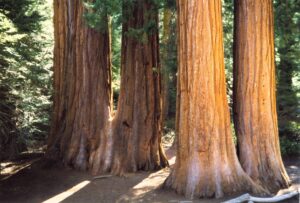
The true treasure of the Sierra Nevadas is the snowmelt that nourishes California’s plant life. The High Sierra in Sequoia & Kings Canyon provides a 13,000-foot wall that produces a rain shadow effect. Warm moist air from the ocean rises at the mountain where it rises and cools. The dry summers and snowy winters offer ideal conditions for the sequoia groves. During your next visit, climb Mt. Whitney, the highest mountain in the continental US and walk along the giant sequoias.
| Sequoia | Kings Canyon | Wildlife |
MUST SEES: SEQUOIA
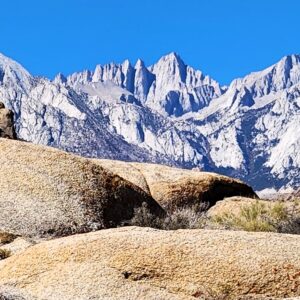
Mt. Whitney
Climb the tallest mountain in the lower 48 in one day. From Whitney Portal, it is 22 miles (round-trip) and 6,140 feet of elevation gain to the 14,505-foot summit. After the infamous 99 Switchbacks, it’s still two miles to the top.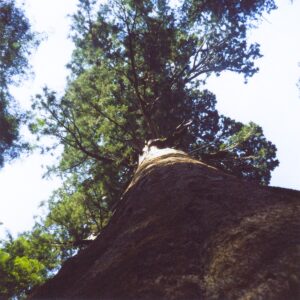
Sequoia
Giant sequoias are native to the 40 groves on the western slopes of the Sierra Nevadas between 4,000-8,000 feet. The largest trees on the planet are endangered with 80,000 remaining in California.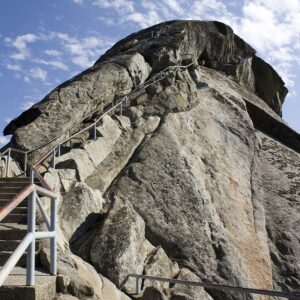
Moro Rock
Moro Rock is a granite dome megalith rising to 6,725 feet. Climb 400 stone steps up the 797-foot-long stairway to the viewpoint.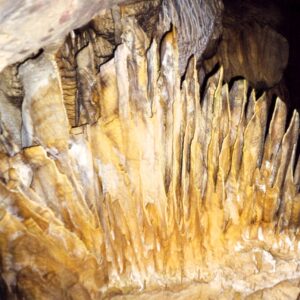
Crystal Cave
Take a guided tour of Crystal Cave from the end of May to the start of September. The marble cavern has dripping limestone stalactites, rising stalagmites, comb-shaped fans, and ruffled curtains.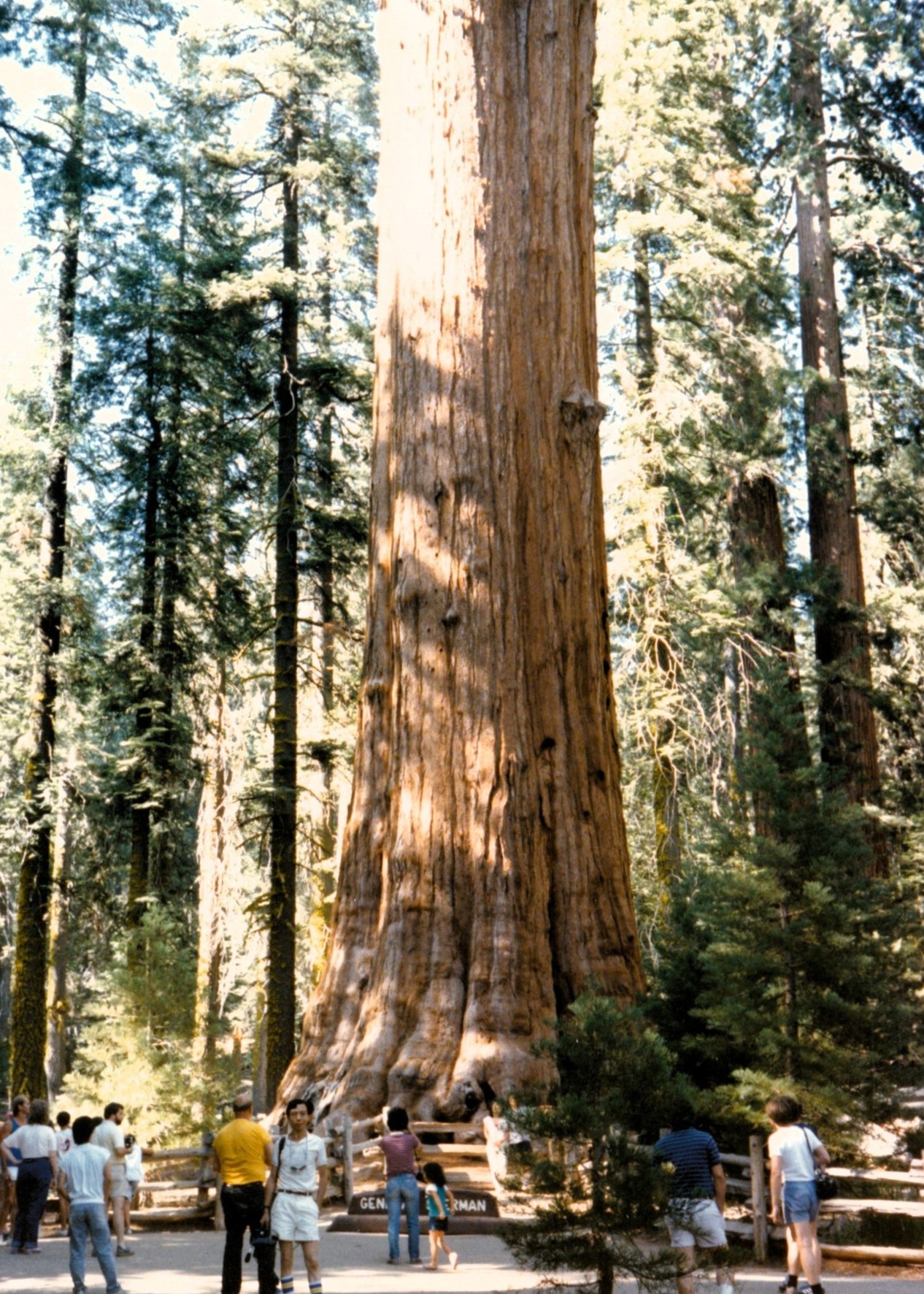
General Sherman
The General Sherman Tree is the world’s largest tree and possibly world’s largest organism. It has a height of 275 feet, a volume of 52,513 cubic feet, and an age of 2,300–2,700 years. With an astounding 103-foot circumference, it quickly tapers to the top.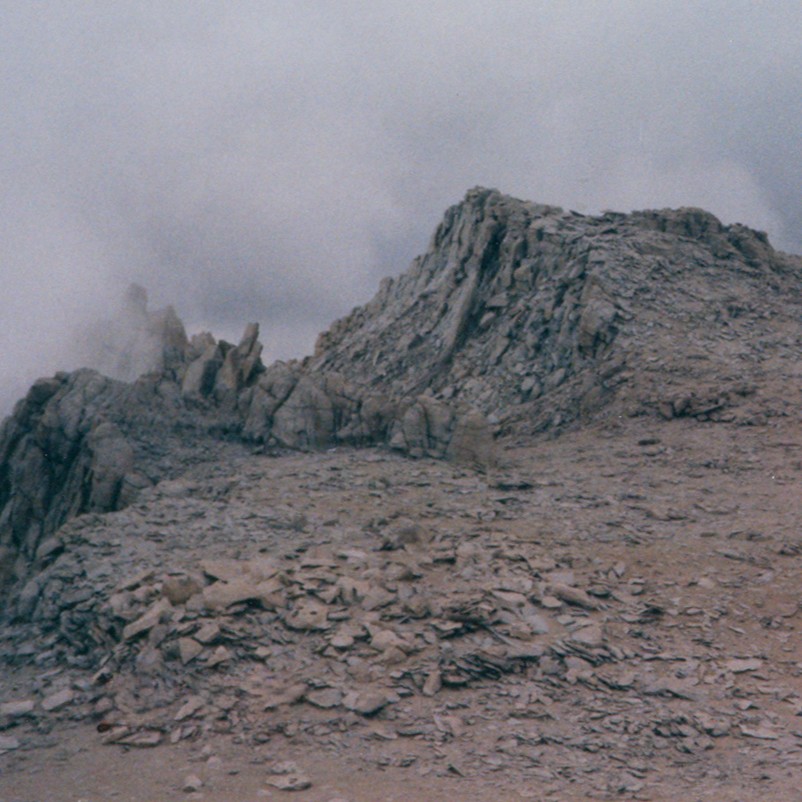
Mt. Langley
Getting to the 14,027-foot peak requires cross-country trekking up a mountain pass and a rocky talus slope. The 22-mile journey has a gain of 4,042 feet past scenic meadows and cool glacial lakes.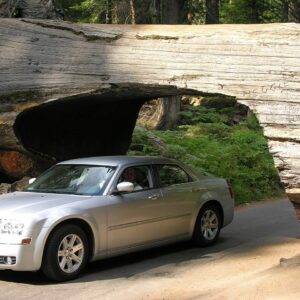
Tunnel Log
In 1937, a giant sequoia tree fell across a park road. A crew cut an 8-foot tall, 17-foot-wide tunnel in the tree. Now, you can drive through the trunk for an obligatory photo op.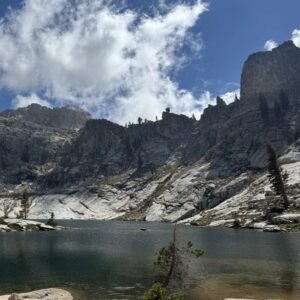
High Sierra Trail
Backpacking along the High Sierra Trail is a great way to explore the Sierra’s majestic alpine lakes and mountain passes. The Sierras boast the tallest peaks (Whitney), the largest trees (Sequoia), and iconic granite walls (Half Dome).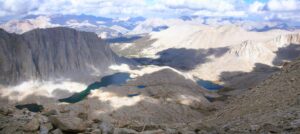
MUST SEES: KINGS CANYON
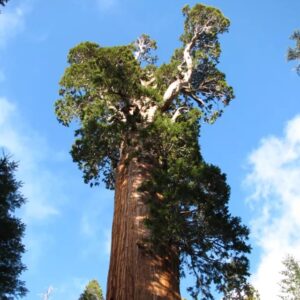
Grants Grove
Follow a 1/3-mile paved loop trail to the General Grant Tree. Along the way, you’ll see other trees, including the Fallen Monarch and the Centennial Stump. General Grant is the world’s second largest tree.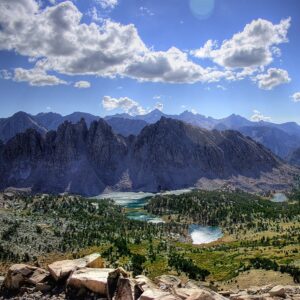
Kearsarge Pass
From Onion Valley, Kearsarge Pass Trail climbs 2,500 feet to Kearsarge Pass (11,700 feet). Get a permit from the Eastern Sierra Interagency Visitor Center. The moderate trail passes pine forests and small lakes.
Elizabeth Pass
The climb to Elizabeth Pass is tough and consists of 2,000 feet of elevation gain. After a cross-country scramble, you reach the park border for SEKI at 11,375 feet. From here, you can see the Kaweah River and the Bearpaw Meadow area.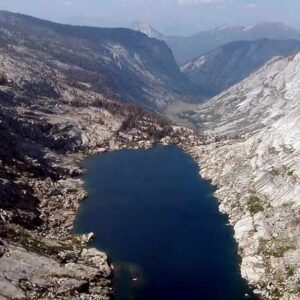
Big Bird Lake
Sheer cliffs surround Big Bird Lake. You must climb down 600 feet to reach the water. What makes this descent interesting is that there is no trail and it is mostly boulder hopping. Once you reach the lake, you can swim and relax.
WILDLIFE
Black Bears
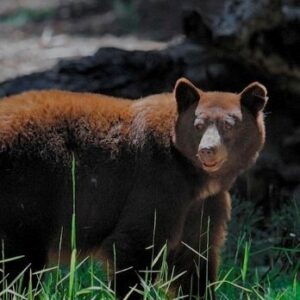
Sequoia is home to hundreds of American black bears. If you encounter a bear, yell at it in a loud voice and make yourself as big as possible. Place all food in a bear locker or cannister. I saw a bear just five feet from me after a locker door was open for only five minutes.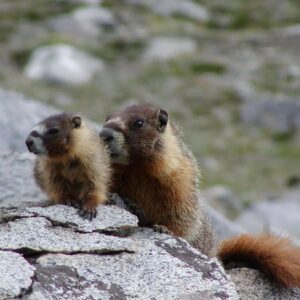
Marmots
Marmots live in the alpine areas of the park. I have seen them as high as Trail Camp at 12,000 feet. These mischievous critters will definitely chew through your pack to get at your snacks. Hikers use tarps to protect their radiator lines above 7,000 feet.
Keep Exploring!
Africa | Antarctica | Asia | Australia | Caribbean | Europe | Middle East | North America | South America