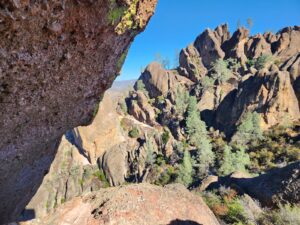
The spires, mountains, and crags of Pinnacles seem out of place compared to its surrounding coastal foothills. The terrain was once a part of a volcanic field hundreds of miles away near Lancaster in Southern California. For 23 million years, this rugged land has followed the San Andreas Fault all the way to the Salinas Valley. During this journey, erosion has torn down thousands of feet of stone. The best place to see the remaining craggy monoliths and pillars is in the High Peaks area of the park. Further earthquake activity has created the park’s talus caves by pushing boulders into deep narrow gorges. Although there’re two entrances, one from the east and one from the west, the roads don’t meet in the middle. While the park is well connected by trails, the eastern entrance is closer to its main features.
MUST SEES

High Peaks and Bear Creek Gulch
This loop takes you on a grand tour of the park. Go spelunking in Bear Gulch Cave, recline by the Bear Gulch Reservoir, and cling to rails among the iconic Pinnacles.
Old Pinnacles Trail to Balconies
The popular Old Pinnacles Trail begins beside Chalone Creek. At Balconies Cave, all your spelunking dreams will come true. After a short climb, you will see massive Machete Ridge.
Condor Gulch
Hike two miles to the Condor Gulch Overlook. The best viewing area is the High Peaks in the early morning or evening. Another location where you might spot condors is the ridge southeast of the visitor center camp.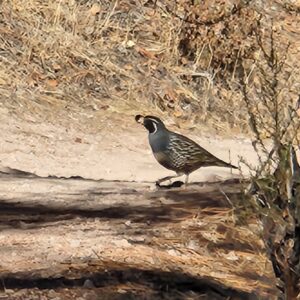
California Quail
Quail have a topknot of six feathers that droop forward. A group of quail is a covey. Quail prefer moving around on foot, but when startled, they will burst into flight, called “flushing”.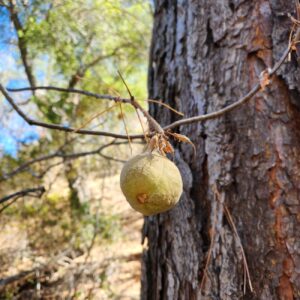
California Buckeye
The California Buckeye’s big round seeds have a light gray husk. Indigenous groups used the poisonous seeds to stun schools of fish for easy pickings. They also boiled the toxins away and ground the buckeyes into a flour.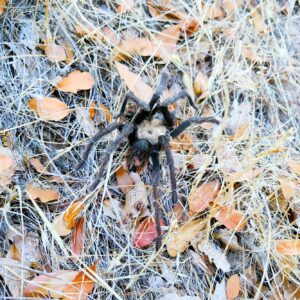
Tarantula
September and October are the prime months to see male tarantulas. Usually, they spend most of their time in burrows, and emerge only at night to hunt.
Keep Exploring!
Africa | Antarctica | Asia | Australia | Caribbean | Europe | Middle East | North America | South America