Yellowstone, the first park of America’s Best Idea is a showstopper among our greatest natural treasures. At the center of the Rockies, geothermal energy powers its geysers, hot springs, fumaroles, mudpots, rainbow pools, and alpine valleys. The world’s largest magma chamber rests below the Yellowstone Caldera. This massive supervolcano once covered a third of the continent in ash and darkness when it exploded 640,000 years ago. Every year, there are still hundreds of earthquakes, although a supereruption is not in the cards.
MUST SEES
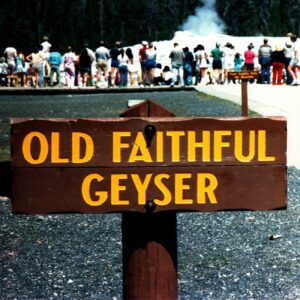
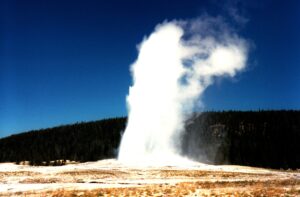
Old Faithful
Of the 6 predictable geysers out of 500 in the park, Old Faithful is the most reliable. It erupts at regular intervals averaging every 90 minutes, from 50-100 minutes. At the bottom of a tube, magma turns groundwater to steam, which rushes to the sky.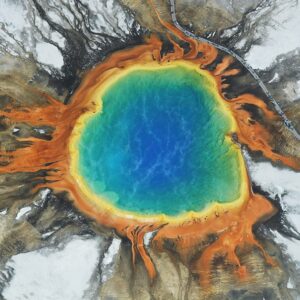
Grand Prismatic Spring
The vivid colors of the third largest hot spring in the world are due to bacteria that thrive in heat. The pool contains the full rainbow of colors dispersed by a prism – red, orange, yellow, green, and blue.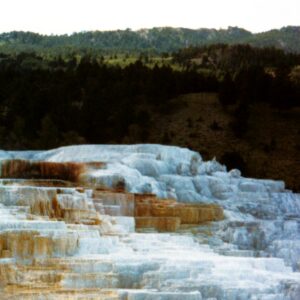
Mammoth Hot Springs
Along a mountainside, Minerva Springs is a collection of white travertine terraces. As water evaporates, it leaves chalky limestone terrace edges. From these flat pools, water slowly drips down.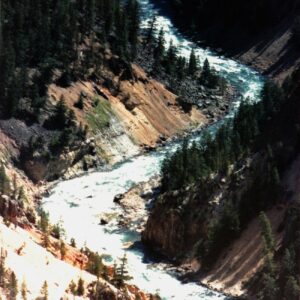
Grand Canyon of the Yellowstone
First was a volcanic eruption, next came the lava flows, then glaciers formed. From the ashes, the Yellowstone River has been sculpting this wide canyon out of soft rhyolite rock.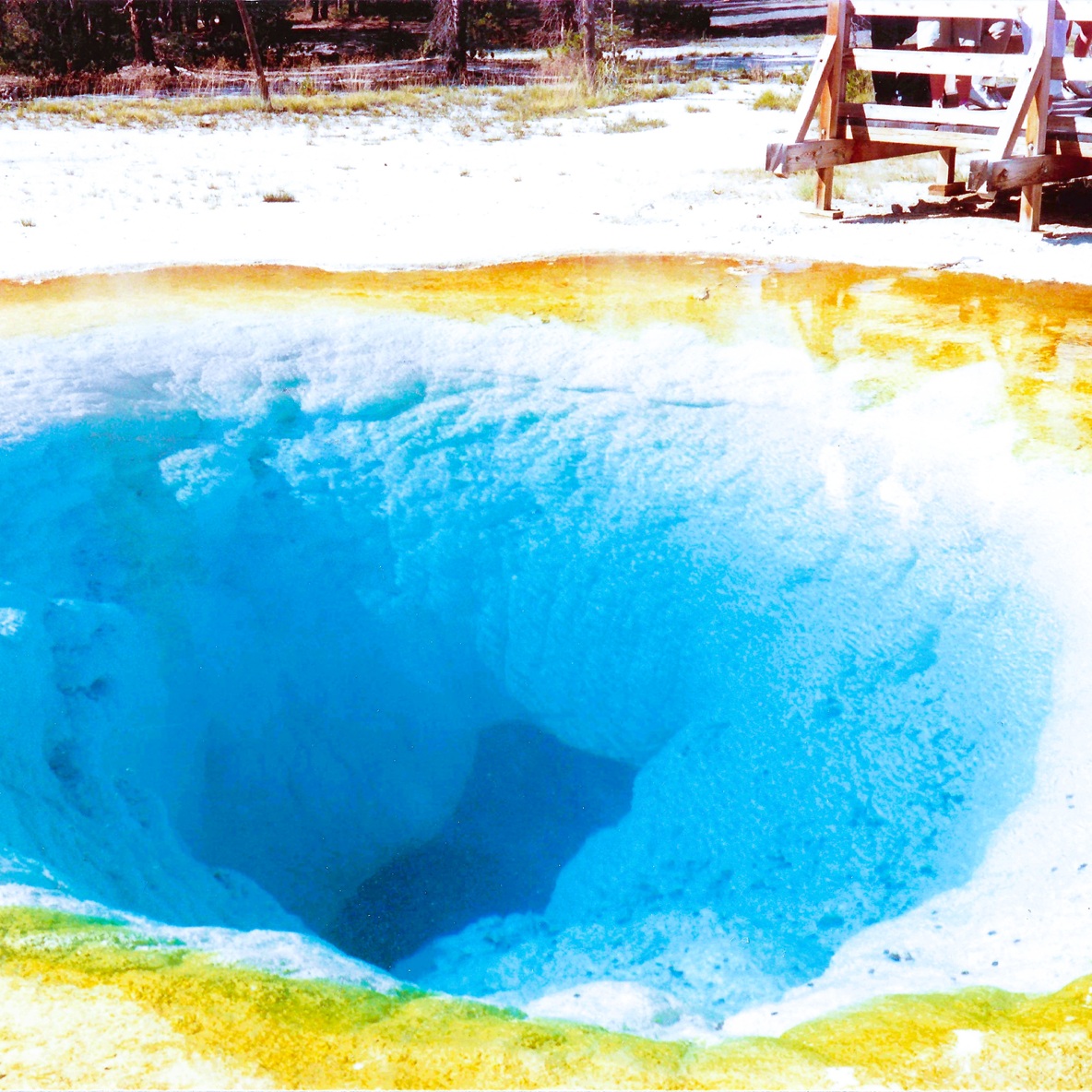
Morning Glory Pool
Shaped like the colorful Morning Glory flower, the pool has an average temperature of 159.3°F. Orange and yellow-colored bacteria thrive at the edges in the cooler part of the pool.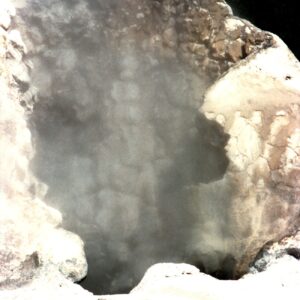
Fumaroles
Gases (steam, carbon dioxide, and hydrogen sulfide) escape from these steam vents. The fumaroles are the hottest spots in the park, hissing and fuming to the surface.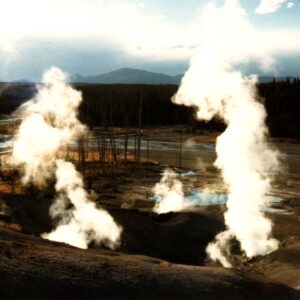
Norris Geyser Basin
This is the most dynamic hydrothermal area. Its geysers and hot springs experience frequent changes in temperature, water levels, and chemical diversity. Stay on the trails and boardwalks in this dangerous environment.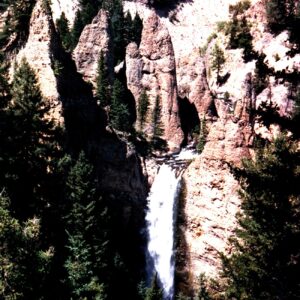
Tower Fall
Near a confluence with Yellowstone River, the falls dip 132 feet into Tower Creek. But, it is the rock pinnacles at the top of the waterfall that have captivated visitors. The imposing towers stand guard high above this natural fortress.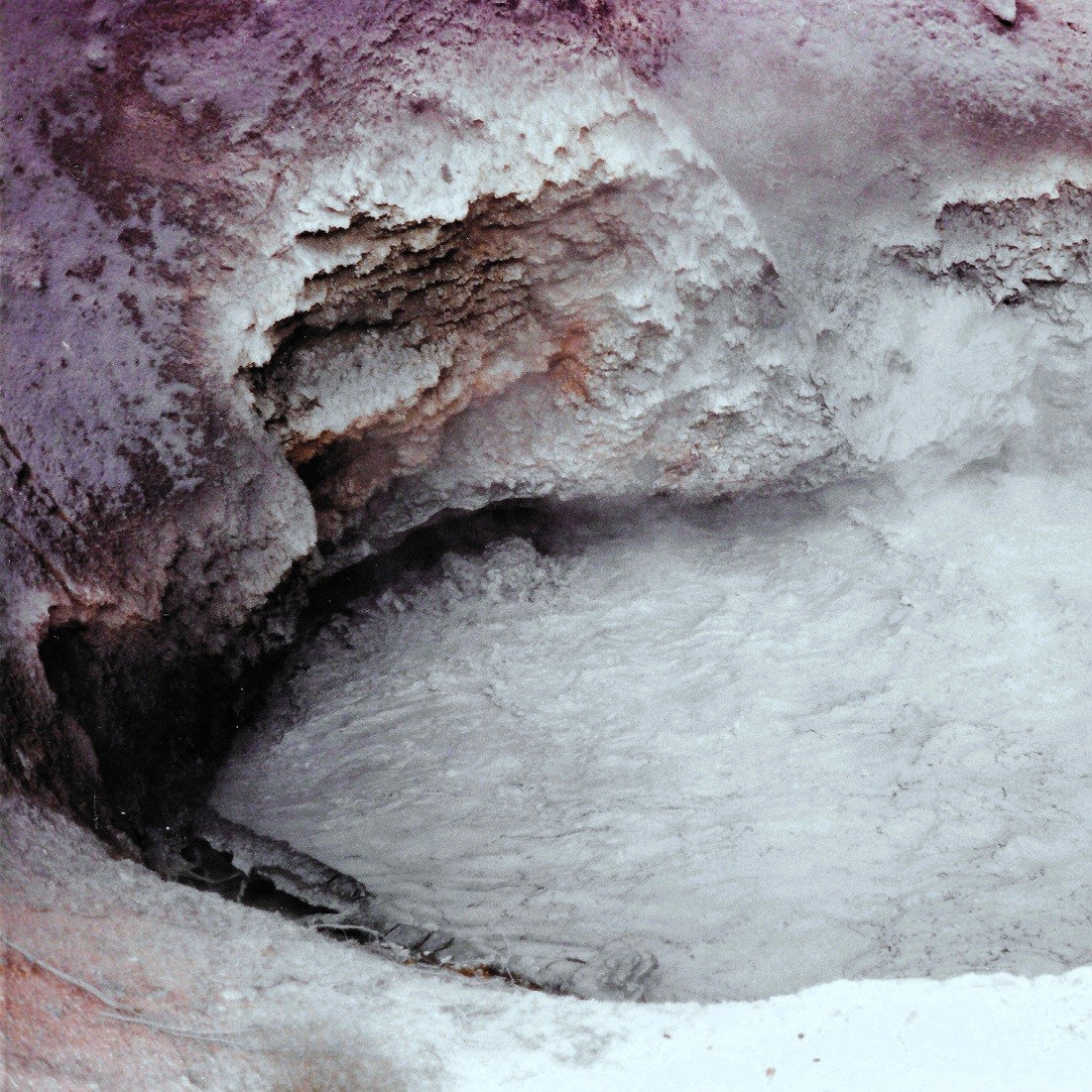
Mudpots
At the Mud Volcano Trail, you will find bubbling mudpots. These shallow pools of water mix with the clay lining and boil away. But, first you’ll notice the stinky rotten egg odor of the toxic hydrogen sulfide gas and sulfuric acid.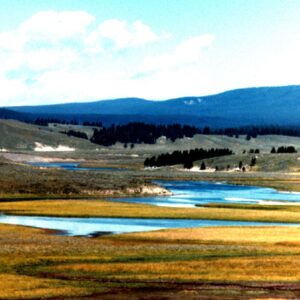
Hayden Valley
At dawn or dusk, Hayden Valley is one of the best places to spot bison, elk, bears, and wolves. The alpine valley’s grassy meadows by the Yellowstone River provide prime grazing land for the local wildlife.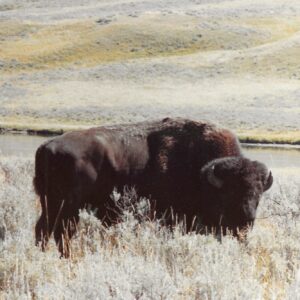
Bison
The Yellowstone bison herd has roamed this area since prehistoric times. The free-ranging herd grazes across the vast grasslands, meadows, and prairies.
Keep Exploring!
Africa | Antarctica | Asia | Australia | Caribbean | Europe | Middle East | North America | South America